 Dr Kisan's Dental Clinic
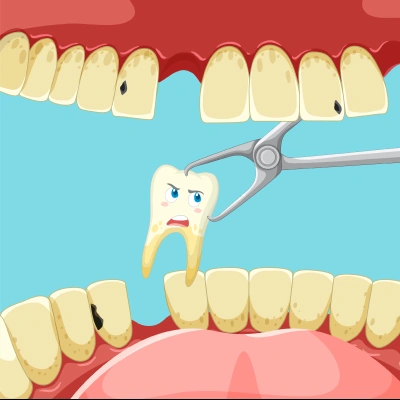

Wisdom Tooth Removal
Wisdom Tooth Removal is a specialized dental procedure aimed at removing one or more third molars, commonly known as wisdom teeth. These teeth often emerge in late adolescence or early adulthood and can cause complications if there is insufficient space in the jaw.
Impacted wisdom teeth may grow at an angle, remain partially erupted, or become trapped within the gums, leading to pain, swelling, infection, and damage to nearby teeth. In such cases, timely removal is essential to prevent further oral health issues.
The procedure is performed under local anesthesia or sedation, depending on the complexity of the case. The dentist or oral surgeon carefully removes the tooth, sometimes requiring a small incision in the gum for better access.
Post-procedure care is crucial for proper healing, including managing swelling, avoiding certain foods, and maintaining oral hygiene. Most patients recover within a few days with minimal discomfort.
Wisdom tooth removal is a safe and routine procedure that helps prevent long-term dental complications and ensures better oral health.
Simple Extraction
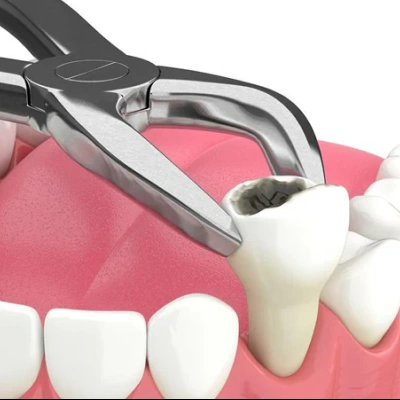
Simple Extraction is a straightforward dental procedure used to remove a visible and easily accessible tooth. It is typically performed when a tooth is damaged, decayed, or loose but does not require surgical intervention.
The procedure begins with the administration of local anesthesia to numb the area, ensuring a painless experience. The dentist then uses specialized instruments to gently loosen the tooth and remove it from its socket.
Simple extractions are quick, minimally invasive, and usually completed within a short time. Patients may experience mild discomfort or sensitivity after the procedure, which can be managed with prescribed medications and proper care.
This type of extraction is commonly recommended for severely decayed teeth, loose teeth due to gum disease, or as part of orthodontic treatment to create space for proper alignment.
Following the dentist’s aftercare instructions—such as avoiding smoking, not disturbing the extraction site, and maintaining oral hygiene—helps ensure faster healing and reduces the risk of complications.
Simple extraction is an effective solution for addressing problematic teeth while maintaining overall oral health.
Surgical Extraction
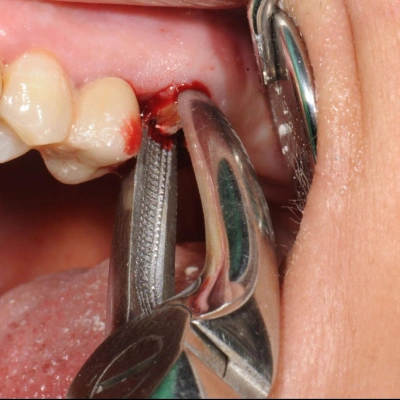
Surgical Extraction is a more complex dental procedure required when a tooth cannot be easily accessed or removed through a simple extraction. This is often the case with impacted teeth, broken teeth below the gum line, or teeth with complex root structures.
The procedure is performed under local anesthesia or sedation to ensure patient comfort. The dentist or oral surgeon makes a small incision in the gum to access the tooth. In some cases, the tooth may be divided into smaller sections for easier removal.
Surgical extraction requires a higher level of precision and care, especially to protect surrounding bone and tissues. After the procedure, stitches may be placed to aid healing.
Patients are given detailed post-operative instructions, including medication, dietary guidelines, and oral care practices to promote recovery. Mild swelling, discomfort, or bruising may occur but typically subsides within a few days.
Surgical extraction is a safe and effective solution for complex dental cases and plays a crucial role in preventing further complications, such as infection or damage to adjacent teeth.
Frequently Asked Questions
Common queries regarding our expert Tooth Extraction procedures.